


The Antarctic Ocean’s brutal conditions ultimately doomed Ernest Shackleton’s famed 1915 expedition aboard the Endurance. Although the icy environment has quickly turned fatal for many unfortunate explorers, it’s not an entirely inhospitable place. While attempting to locate Shackleton’s sunken ship in 2019, researchers unexpectedly documented a strange sight–a sprawling, geometric complex of over 1,000 icefish nests. The fish nests are described in a study published on October 29 in the journal Frontiers.
The initial discovery occurred six years ago aboard the polar research vessel SA Agulhas II during its visit to the Western Weddell Sea. Although one of the expedition’s primary aims was locating the Endurance, researchers also intended to study the region’s thinning ice shelves. These floating barriers hold back the Antarctic Ice Sheet’s expansive ice flows, and their disappearance directly ties to rising global sea-levels.
In 2019, the expedition passed through the 656-foot-thick ice shelf that had opened only two years earlier. The 2,240-square-mile A68 iceberg broke off from the Larsen C Ice Shelf in a process known as calving, creating an entryway for Lassie, the research vessel’s remotely operated vehicle (ROV).
Pilots guided Lassie and additional autonomous underwater vehicles (AUVs) through the murky, frigid depths in hopes of spotting indications of the shipwreck. However, it didn’t take long for nature to exert its pressure on the vessels. To avoid a similar fate as the Endurance, the crew ultimately retreated from the multiyear ice packs surrounding them.
The team didn’t return with the ship’s suspected location, but they did manage to collect extensive video from the bottom of the Weddell Sea. As they reviewed their footage, they counted over 1,000 of nests belonging to the yellowfin notie (Lindbergichthys nudifrons), or icefish. A species in the rockcod family, the notie makes its home in the frigid Antarctic waters. What makes them especially peculiar is how they incubate and raise their young. Each parent fish constructs a circular nest after clearing the area of plankton detritus. The notie then lays their eggs in these abodes and guard them until they hatch.
Instead of random scatterings along the seafloor, their nests are arranged in intentionally geometric clusters. The study’s authors believe this to be an example of the “selfish herd” theory, where weaker icefish in the center of these communities are shielded by their neighbors. Meanwhile, nests on the outskirts of each notie neighborhood are generally occupied by the largest and strongest fish.
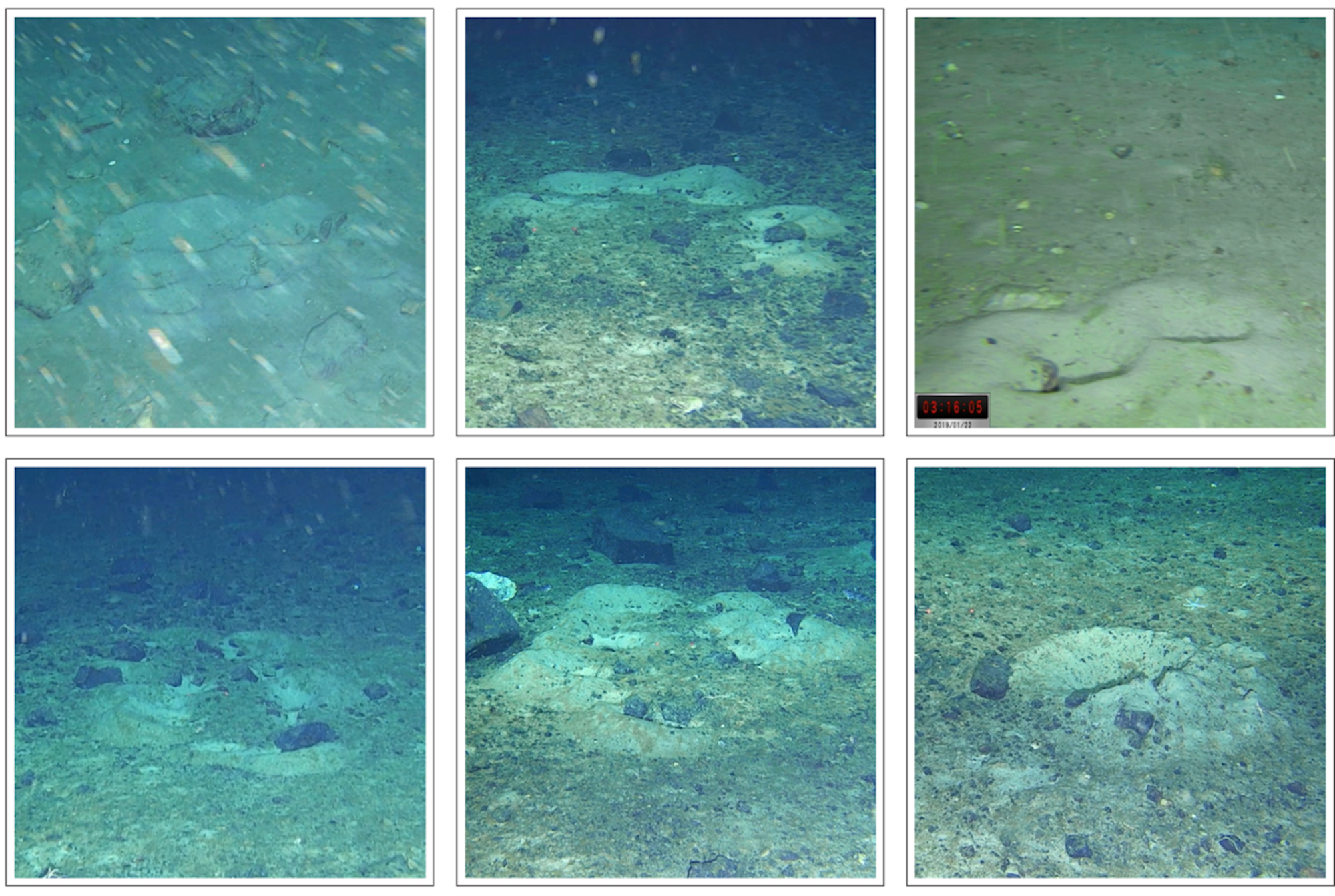
The team’s discovery reinforces the work of a previous expedition to the Weddell Sea in 2022, that documented icefish living in one of the planet’s largest fish breeding colonies. Taken together, the two studies offer clear evidence that the region meets the definition of a Vulnerable Marine Ecosystem, and further supports the need to designate the Weddell Sea as a Marine Protected Area.
As for the Endurance’s final resting place, members of the 2019 excursion got another chance to search for the ship in 2022. That time, they were successful.

2025 Home of the Future Awards
